
Non-profit association · Colima, Mexico
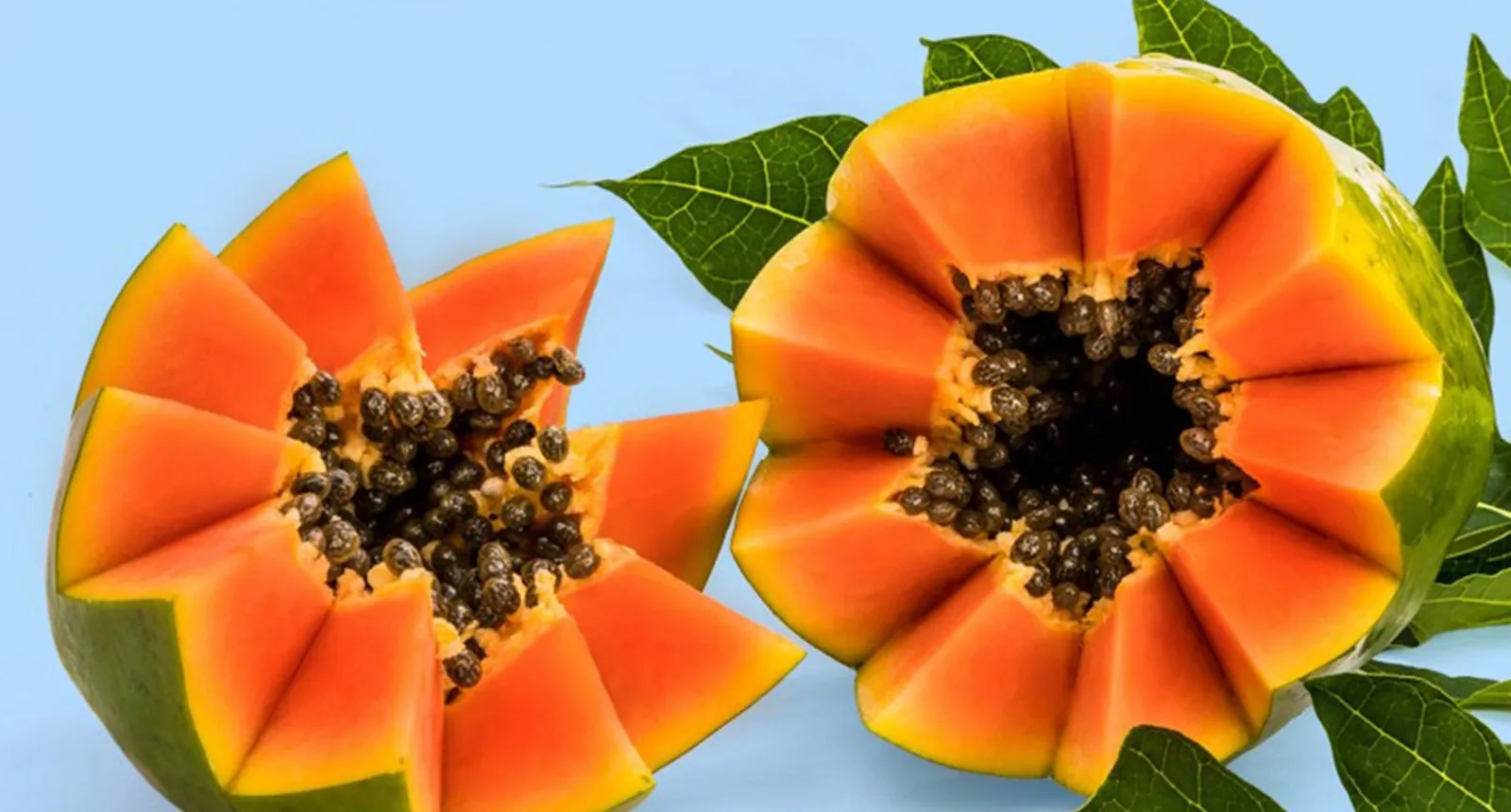
Mexican papaya with export-grade quality and food safety.
We are the non-profit organization that brings together Mexico’s papaya producer-exporters, so every fruit that crosses the border arrives with the certainty of being healthy food.
- 90 %
- of Mexico’s papaya exports
- 3,215 ha
- planted every year
- 10
- Mexican states with member exporters
- 175 +
- farms audited by the verification program
About us
An industry that chose to do things right, together.
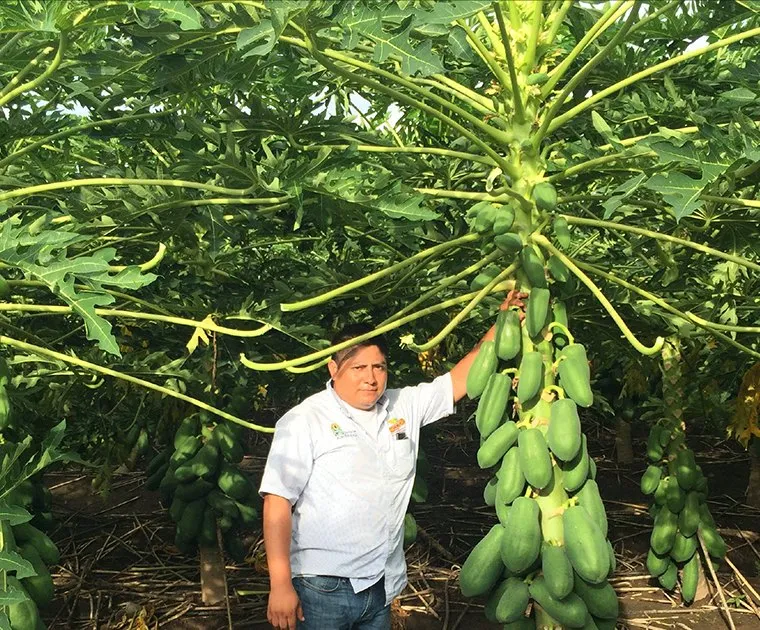
ProExport Papaya A.C. was formally established in 2020 as a non-profit organization of papaya producer-exporters in Mexico. It was created to drive the integral development of the industry and position our product with quality and food safety for consumers abroad.
Mission
To integrate all Mexican papaya producer-exporters, as well as every link in the papaya industry, and to develop integral skills among our members to foster a profitable and competitive Mexican papaya activity at an international level.
Vision
To position Mexican papaya as a healthy and trustworthy product that meets the demand and the quality and food safety standards of international markets, through the integral development of its members by means of training, innovation and promotion.
Safety
Improve food safety processes in the field, from nursery to packing house.
Quality
Increase the quality of the product that reaches international markets.
Promotion
Strengthen the handling, distribution and positioning of Mexican papaya.
Our history
Six years raising the bar for Mexican papaya.
From a response group to the first industry in Mexico to host the FDA in the field: a track record built on training, verification and joint work with authorities in both countries.
- 2019
A response group
Following the Salmonella outbreak linked to Mexican-grown papayas, the Texas International Produce Association (TIPA) formed a response group. TIPA enlisted Dr. Jennifer McEntire of United Fresh (now IFPA) and conceptualized a multi-year, multi-step, multi-stakeholder approach to manage and verify papaya safety.
- 2020
ProExport Papaya and the Best Practices Guide
Efforts led by TIPA and ProExport Papaya, with the support of United Fresh and Food Safety CTS, resulted in the first edition of the Food Safety Best Practices Guide for Growing & Handling Mexican Papayas, free and available in both English and Spanish.
- 2021
90% of the Green List, trained
More than 90% of the FDA’s active Green List exporters of Mexican-grown papayas took part in trainings on the Best Practices Guide, FSMA’s Produce Safety Rule, FSVP Manual development and SENASICA’s “Anexo A Plan de Acción.”
- 2022
Self-audits and Root Cause Analysis
We developed a self-audit verification tool for farms, model FSVPs for papaya importers and a Root Cause Analysis protocol that was promptly executed after a positive case, with corrective actions in place ever since.
- 2023
First on the new water rule
First industry in Mexico to train on the FDA’s proposed agricultural water rule and to launch food safety training kits. The verification program surpassed 175 audited farms.
- 2024
The FDA, in the field
First industry in Mexico to host the FDA on a field tour and at its National Assembly. We signed an agreement with Azzule to access GFSI certification with IFPA’s fresh papaya addendum, and advanced the proposal for a National Papaya Board in the U.S.
From nursery to table
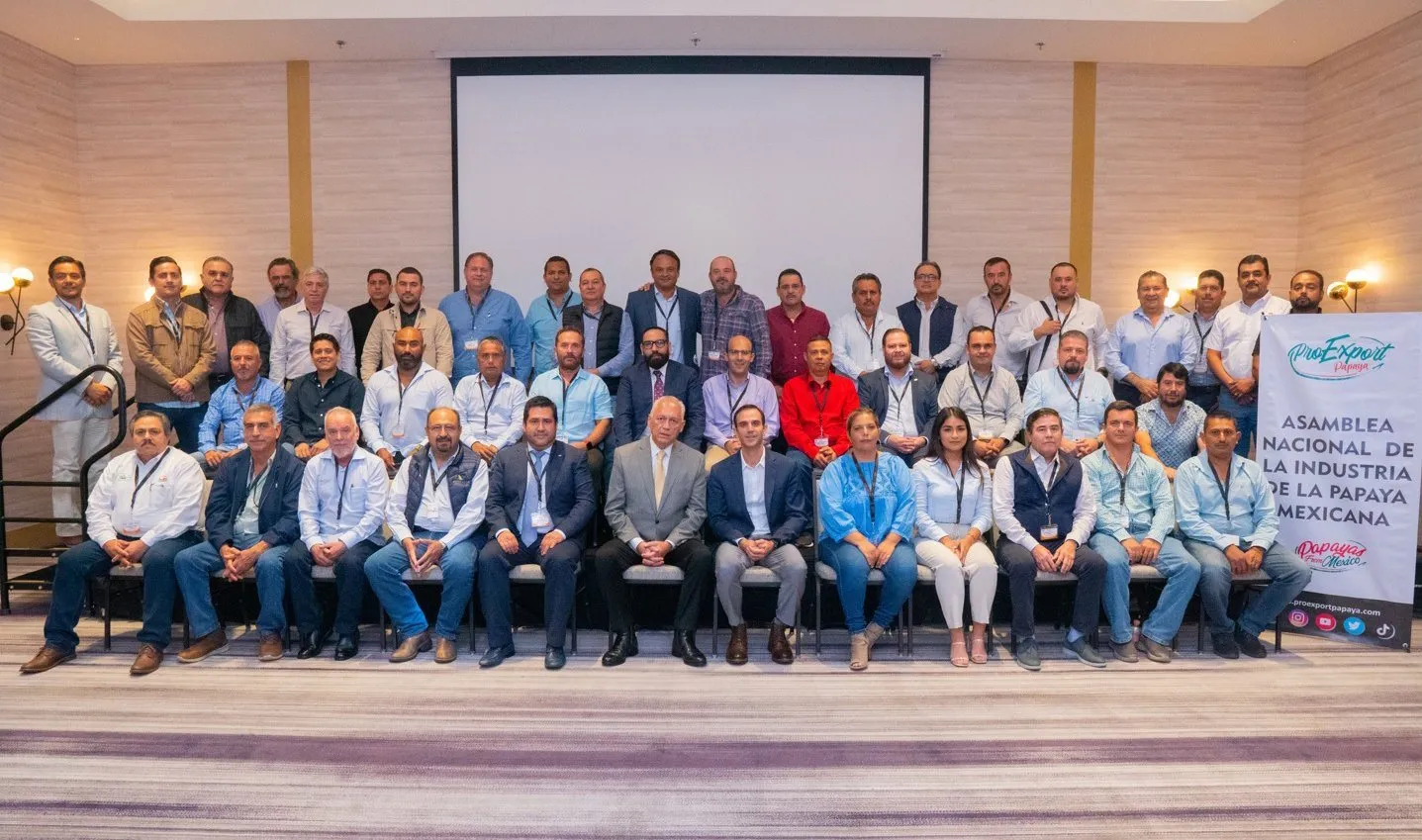
How an export-grade papaya is grown.
Ten stages, one standard of care. Every step follows the food safety measures set by Mexican and foreign health authorities.
- 01
Ground preparation
The soil is loosened and beds are formed where the plant will go. Duration depends on the type of ground.
- 02
Plant preparation
In the nursery, each seed is sown in cell trays. The process takes 40 to 60 days depending on the weather.
- 03
Seedling transfer
Seedlings travel to the orchard in protected boxes: roots and leaves are fragile to bumps, sun, wind and humidity.
- 04
Transplant
3 to 4 plants per spot, 1–2 m apart and 2.5–3.5 m between rows, making sure the stem is not buried.
- 05
Fertilization
The first application comes right after planting so the plant adapts quickly to its new conditions.
- 06
Replanting
4 to 7 days later, plants that did not adapt are replaced to keep the orchard uniform.
- 07
Sexing
30 to 45 days after transplant, hermaphrodite or female plants are selected according to region and market.
- 08
Weed control
Weeds compete for water, light and nutrients and host pests such as aphids, so they are controlled across the orchard.
- 09
Harvest
With rubber gloves and sanitary measures; each fruit is wrapped in food-grade paper and kept in the shade.
- 10
Packing
Meets the food safety measures of Mexican and foreign authorities that guarantee the safety of our product.
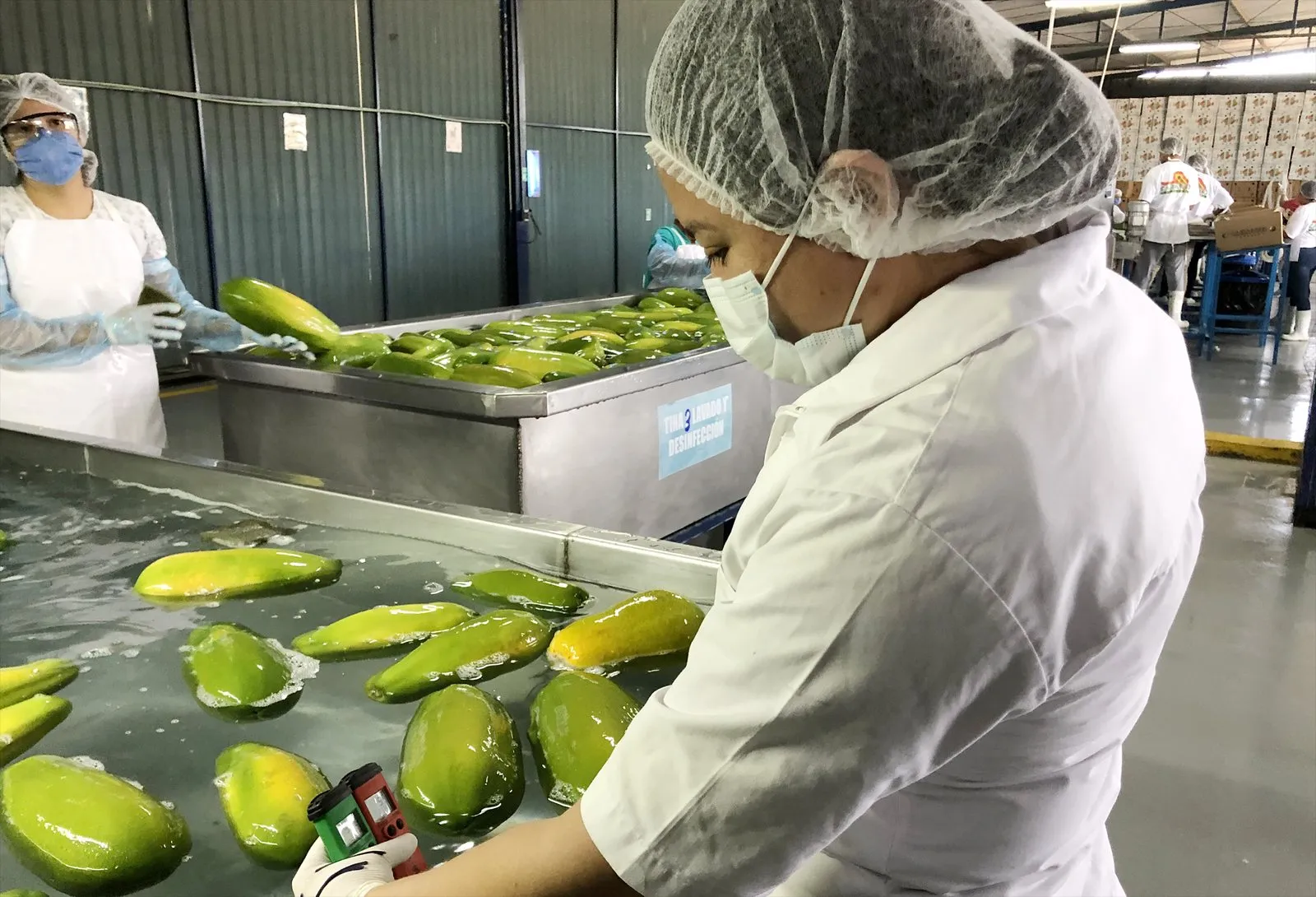
Our commitment is to:
- Food safety.
- The health of families in Mexico and abroad who enjoy papaya.
We comply with all regulations of Mexican and foreign health authorities. All our members are governed by the internal regulations of the ProExport Papaya, A.C. papaya export program.
ProExport members
45 companies, one standard.
Growers, exporters, marketers and importers in Mexico and the United States committed to reducing contamination risks and to food safety.










































Become a ProExport member
Join the organization that represents Mexico’s papaya export industry. Review the requirements and regulations, and write to us to start your application.
Downloads
Browse our documents.
Guides, protocols and official lists, freely available to growers, packers and importers.
Guides & protocols
- Best Practices GuideGrowing & handling Mexican papayasPDF
- Annex A · Action PlanSENASICAPDF
- Root Cause Analysis ProtocolPositive cases · version 3.0PDF
- Green List Industry GuidanceBilingual edition, January 2023PDF
- FSVP Guide (Spanish)Foreign Supplier Verification ProgramPDF
- FSVP Guide (English)Foreign Supplier Verification ProgramPDF
Members & verification
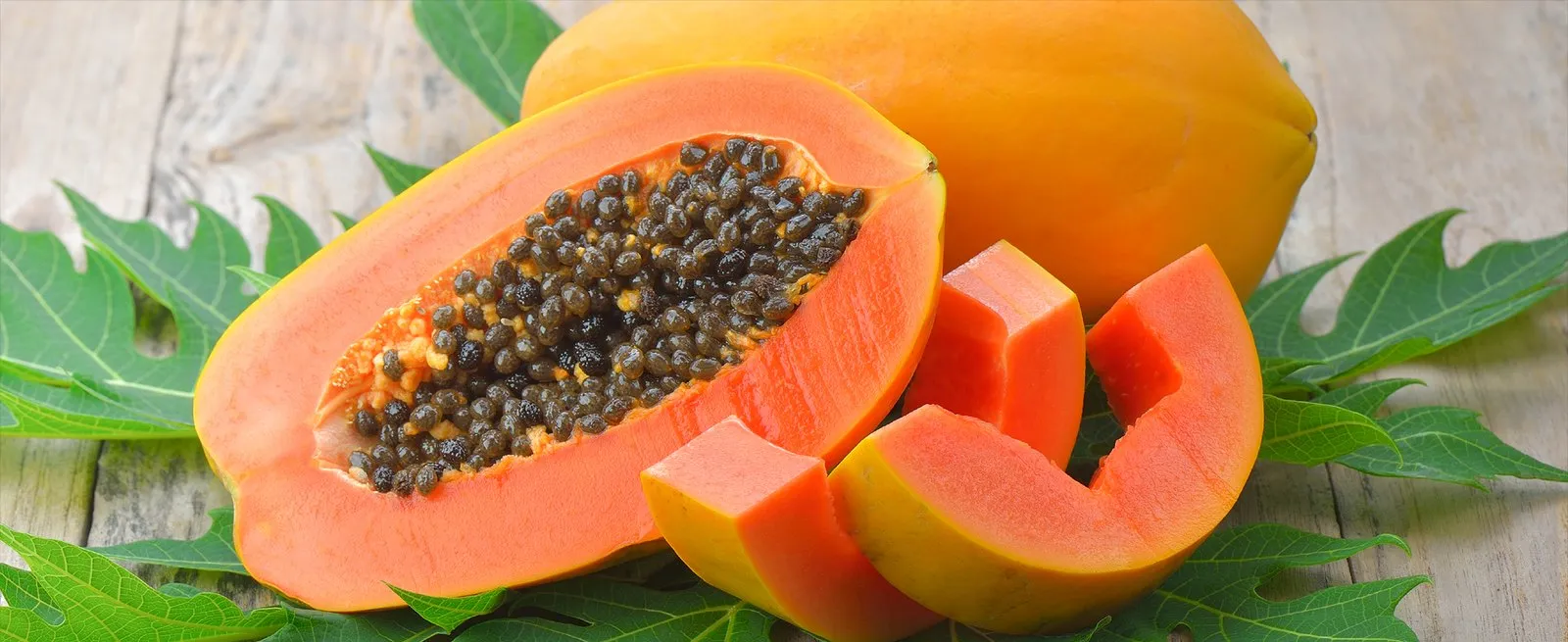

Export quality you can taste.
Find recipes and more about papaya at Papayas from Mexico.
Visit Papayas from Mexico ↗Contact
Let’s talk papaya.
Are you a grower, packer or importer? Write to us and we’ll gladly guide you on membership, training or verification programs.
- Phone+52 1 312 200 44 25